Muscle Aches
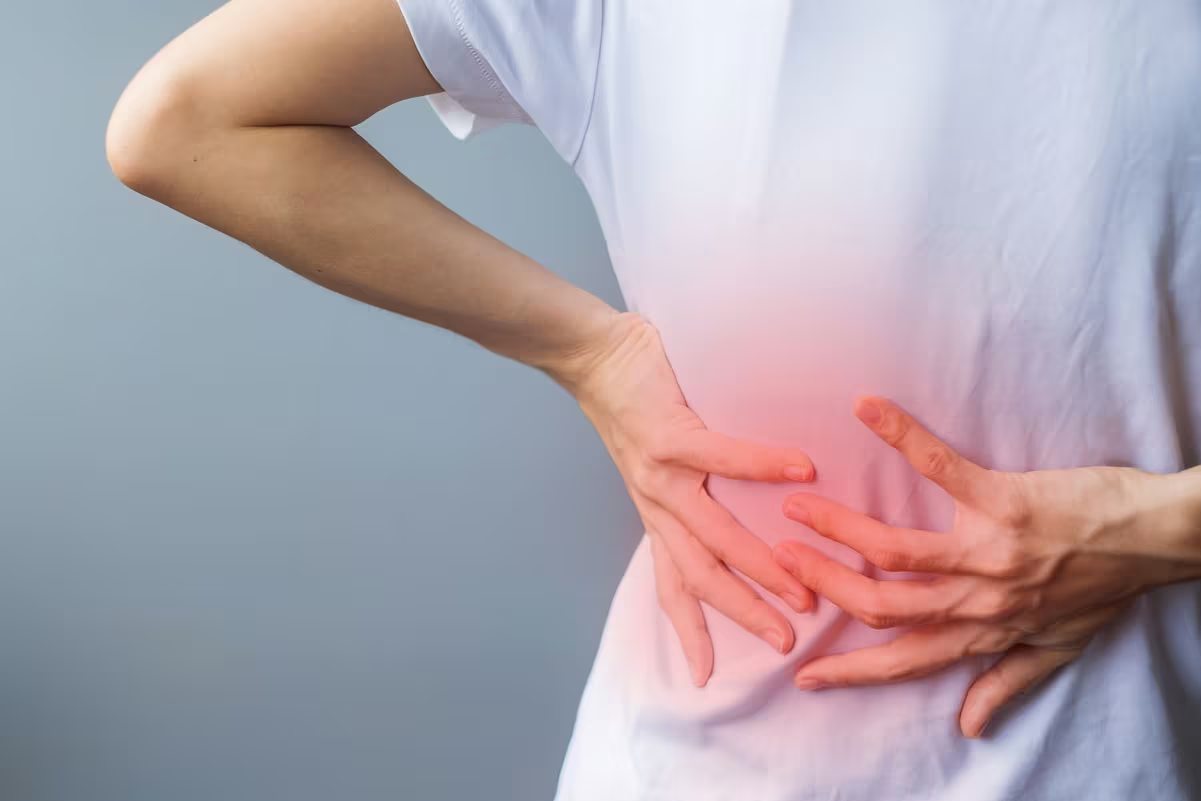
Back pain is common and may involve muscles, joints, discs or irritated nerves. It can begin after lifting or sport, build gradually with repeated activity or prolonged positions, or occur without one clear cause. An assessment considers the symptoms, medical history, work, lifestyle, movement and neurological function where relevant.
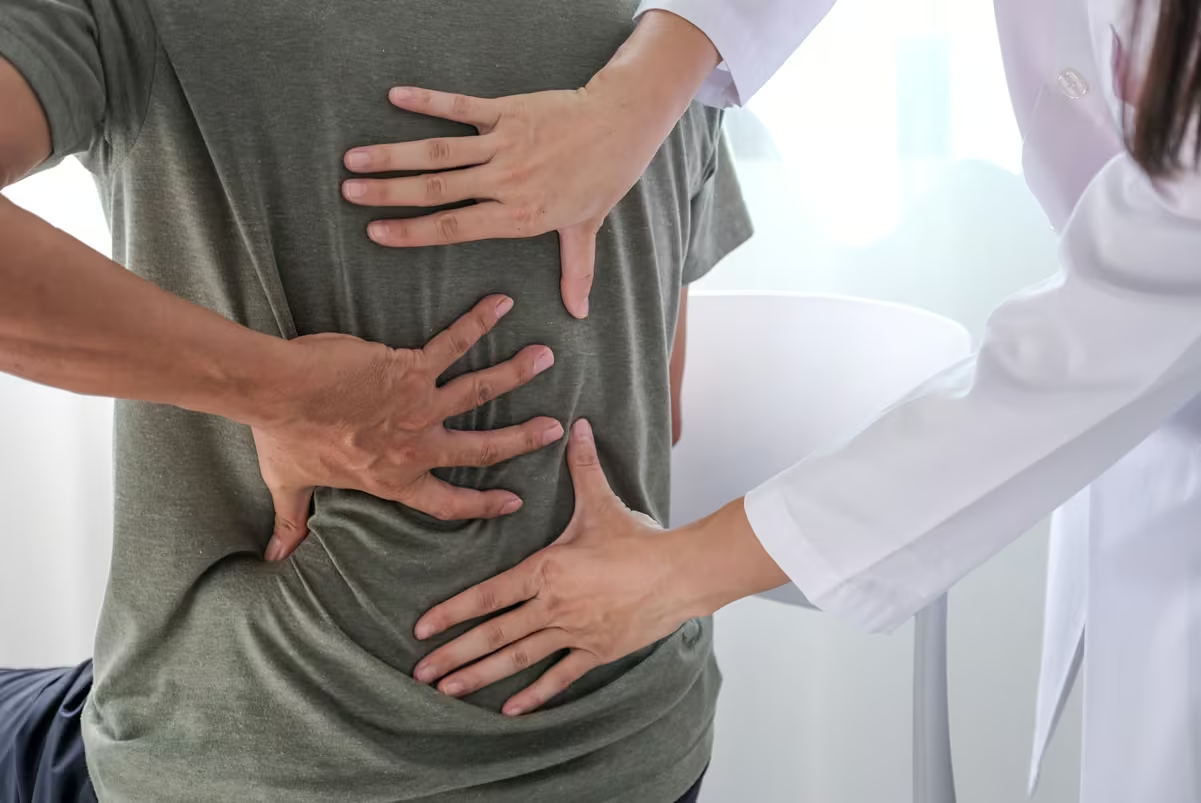
When the presentation is suitable for conservative care, treatment may include soft-tissue techniques, joint mobilisation, carefully selected manipulation, advice on staying active and an individual exercise or rehabilitation plan. The approach is adapted to the patient’s comfort, goals and response.
Seek urgent medical help if back pain is accompanied by new loss of bladder or bowel control, numbness around the saddle area, rapidly worsening leg weakness, fever, major trauma or unexplained weight loss. Persistent or severe symptoms may require GP review, imaging or specialist referral. We will explain when treatment is appropriate and when further investigation is needed.
Joint Sprains
Too much strain or too frequent repetition of a movement may damage the tissues around the facet joints at the back of the vertebrae – this may be very painful if it causes the local muscles to spasm or if it causes a build-up of inflammation. This build-up may take up to 36 hours, so distancing the effect from its cause, sometimes confusingly. If the strain affects the ligaments around a joint, symptoms may take a few weeks to settle. This can happen in any part of the spine.
Disc Injuries
More serious injuries in the lumbar area, to the intervertebral discs for example, often (but not always) give rise to sciatica when a protruding piece of disc squeezes a nerve exiting the spine at that point, normally near the base of the spine. The inflammatory response this causes also often affects those nerves, and can cause considerable pain, for a long time. If the disc bulge is central it may affect and irritate the long ligament which runs from top to bottom of the spine, or even the covering layer of the spinal cord, the dura. Symptoms may appear in less usual patterns, and can be a medical emergency if they affect bladder, bowel or genitalia. Fortunately this is rare. Occasionally dural irritation is caused by an epidural injection, providing a focus of discomfort at that point.
Thoracic Spine
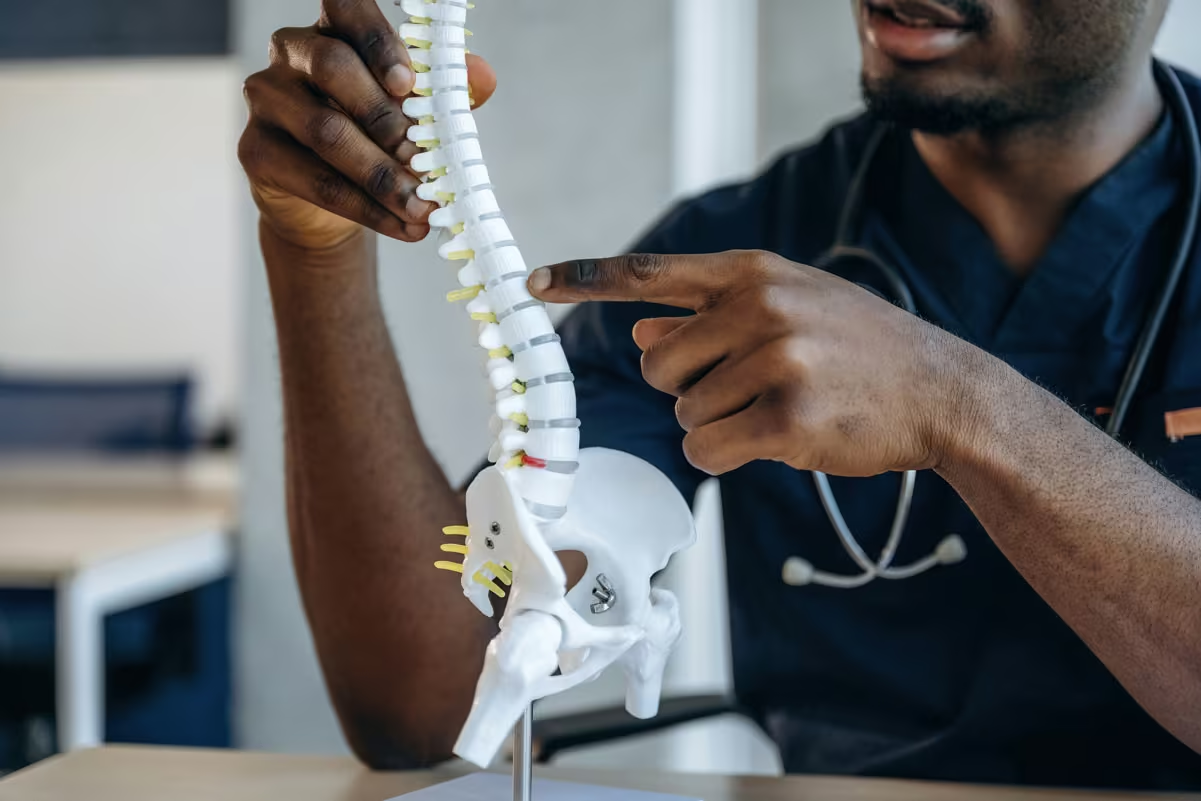
In the upper spine, thoracic pain is often caused by work posture, especially in those people who use computers all day, and those who drive long distances. Appropriate stretching and exercise can be very helpful.
Strain of the rib joints, where the ribs articulate with the spine are fairly common too. Things we look out for here are histories of respiratory illnesses (asthma, bronchitis, pneumonia) as well as old rib injuries. Also relevant are emotional stress and shock (which can affect all other areas of the spine as well).
The Neck
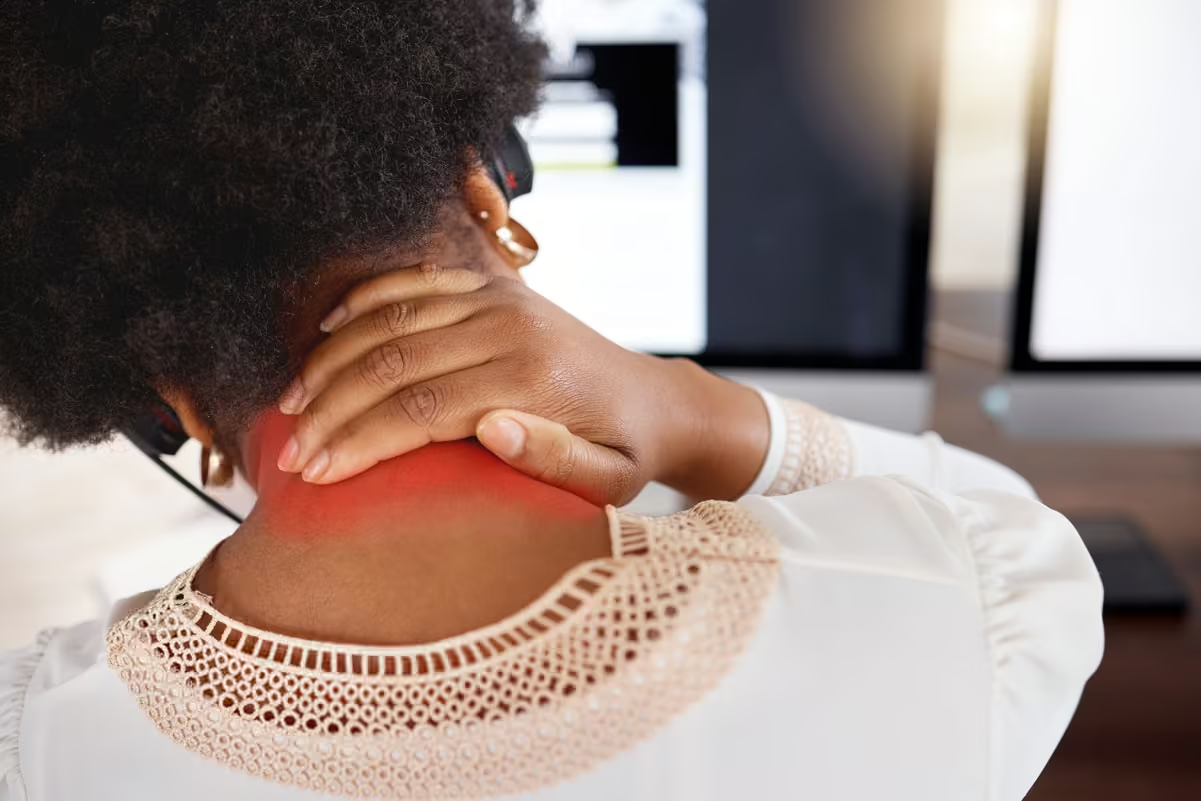
The neck, being a very mobile part of the spine, suffers from arthrotic change (wear and tear) especially in later years. This type of problem is often associated with earlier accidents, particularly whiplash injuries, blows to the head and even the jarring of falls on the bottom. Heading the ball in football can also lead to arthrotic change in older people, though this may be less of a problem now the balls are lighter. As in all areas of the spine, the neck is subject to disc injuries and joint strains.
Neck problems are also often affected by stress and tension, and can often lead to headaches and even episodes of migraine.
Treatment of Back Pain
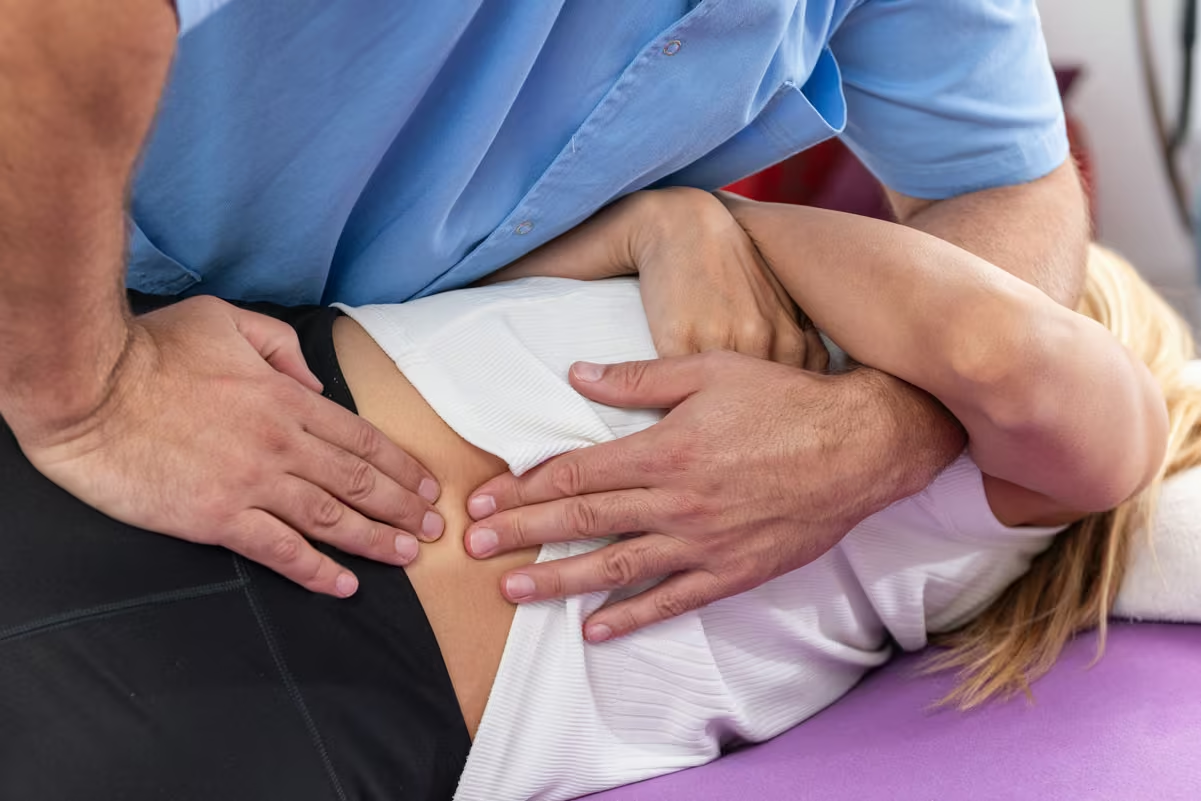
As with all types of problems, the osteopathic approach to back pain is to assess the whole body, to see how the presenting symptoms fit into the overall pattern of function. Our bodies are walking history books of our lives, and they accumulate stores of memories of past events, especially the traumatic ones. The retained responses to these events can often be felt as areas of stiffness or reduced mobility. These may be actual scar tissue, or rigid groups of muscle fibres still maintaining a redundant degree of muscle guarding. Part of our work is to help these areas function more effectively, to enable the whole body to work better, by, in effect, taking the brakes off.
Treatment then, acts to soothe the painful area, and to help other areas of the body to move more flexibly, taking the strain off the injured part.